By Dr. Said Tamam
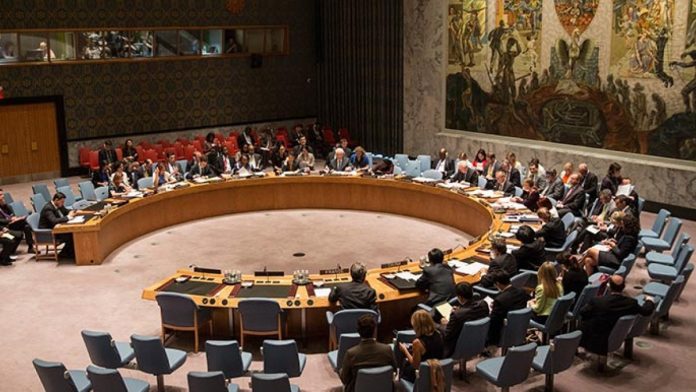
Indeed, the non-extension of the MINURSO mission’s mandate is considered a significant development, as described in the Royal Cabinet’s statement on Friday, following Russia’s veto of the U.S. draft resolution which aimed to alter the mission’s mandates. On the one hand, this has long been a Moroccan demand on multiple occasions, calling for either its total or partial termination.
In fact, 10 years ago today—specifically in March 2016—Morocco “expelled” around 84 civilian staff members of the mission (retaining only the military component) following the “slip of the tongue” or verbal lapse made by the then-UN Secretary-General, Ban Ki-moon, during his visit to the Tindouf camps.
Therefore, while legally the Security Council has the power to hold another meeting to issue a new resolution—particularly to extend the mission’s mandate before the end of tomorrow, Saturday—Morocco’s swift and significant statement preempted this, putting an end to such a possibility. Since our country is the host nation and exercises full sovereignty, implementing such a scenario would be difficult, if not impossible.
This historical shift—which can be described as a strategic investment in Russia’s “veto”—does not conflict in any way with the Kingdom’s positions regarding a peaceful solution to the 51-year-old artificial conflict. This was reiterated in the Royal Cabinet’s statement, which stressed its “strong commitment to the ceasefire, while fully respecting its territorial integrity and unity, its national security, and the peace of its citizens.”
The Royal Cabinet’s statement is not a response to a “defeat,” as some might think—especially the fifth column of the other world—but rather a strategic investment in the political deadlock (“blocage”) of the dossier, which was confirmed by the outcomes of this evening’s Security Council meeting.