Despite controversy surrounding ticket prices, upcoming concerts at the Royal Theatre in Rabat have attracted strong public demand, with several performances selling out in record time, most notably Lebanese singer Elissa’s concert scheduled for June 20.
Tickets for the performance by the singer of “Ila Kol Elli Byhebbouni” sold out in less than 24 hours after going on sale, reflecting the high level of anticipation surrounding her return to Moroccan audiences. Elissa continues to enjoy wide popularity in the kingdom, particularly among fans of Arabic romantic music.
According to available information, ticket prices for the concert ranged between 500 and 2,000 dirhams. The pricing sparked widespread debate on social media, with some users describing the tickets as too expensive compared with typical concert prices in Morocco and beyond the reach of many fans.
The high prices, however, did not prevent fans from rushing to secure tickets. Several admirers of the Lebanese artist even called for a second concert in Morocco to meet what they described as overwhelming demand.
Elissa’s performance is part of a broader Arab music program hosted by the new Royal Theatre in Rabat, which is also set to welcome Emirati singer Hussein Al Jassmi on June 18. Organizers expect a similarly strong turnout given the artist’s popularity in Morocco and across the Arab world.
Ticket prices for Al Jassmi’s concert also generated debate online, reopening discussions about the growing cost of attending major music events in Morocco. While some observers argue that the prices reflect the stature of the artists and the scale of production and organization involved, others believe they exclude large segments of the public from accessing live performances.
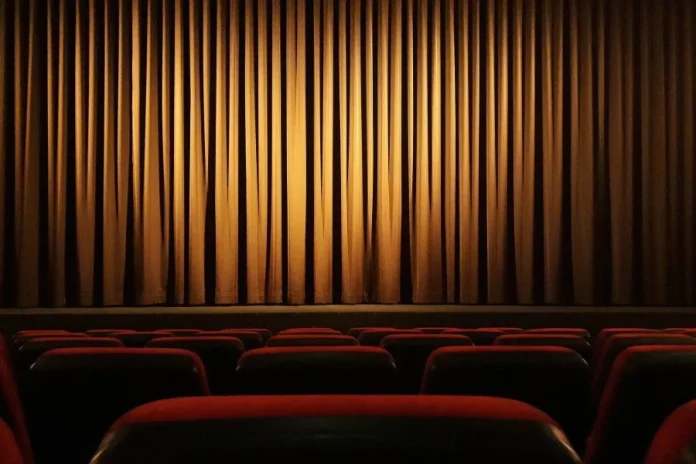
Hosting such concerts at the Royal Theatre carries particular significance due to the growing status of the venue, designed by the late internationally renowned architect Zaha Hadid. The theater is considered one of Morocco’s most prominent modern cultural projects, featuring advanced architectural and technical facilities.
The Royal Theatre aims to establish itself as a major venue for leading Arab and international artistic and cultural events, amid Rabat’s expanding cultural scene and the capital’s increasing ability to attract high-profile performers.